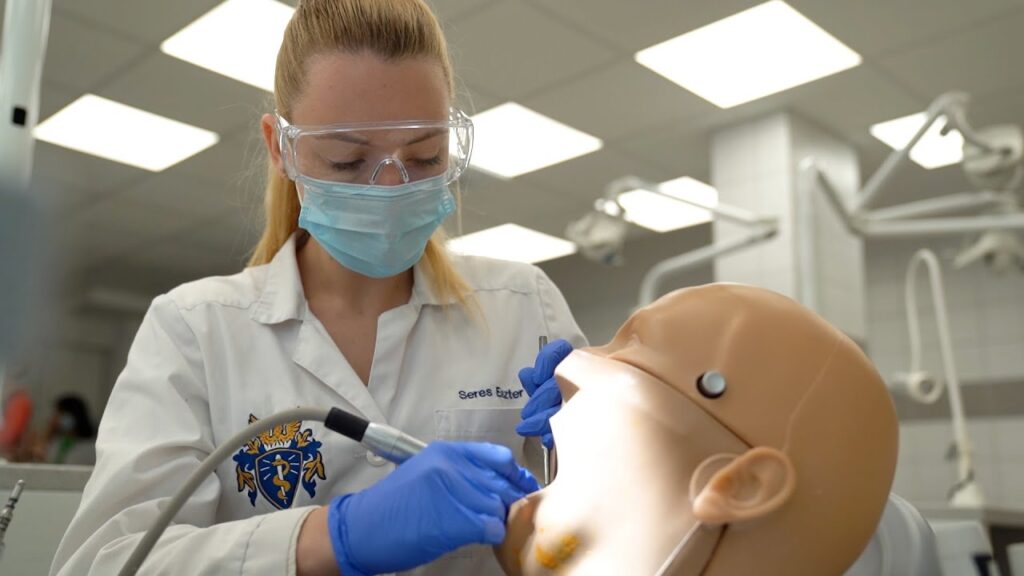
Studying dentistry in Europe has become a preferred option for international students seeking quality education, globally accepted degrees, and reasonable tuition costs. With modern teaching facilities, programs taught in English, and exposure to different cultures, Europe provides a strong academic and professional foundation for future dentists.
In this guide, you will find everything you need to know about studying dentistry in Europe in 2026, including eligibility criteria, tuition fees, top destinations, and the full admission process.
Why Study Dentistry in Europe?
Europe is home to many well-established dental universities known for their academic standards and practical training. Here are some key reasons why students choose this path:
- Degrees that are widely recognized across many countries
- Lower tuition fees compared to the UK and USA
- Availability of English-taught dentistry programs
- Admission without entrance exams at many universities
- Access to modern labs and clinical training facilities
- Opportunities to build an international career
For many students, studying dentistry in Europe is more than just earning a degree. It is a step toward building a long-term global career in healthcare.
Top Countries to Study Dentistry in Europe
Several European countries offer strong dental programs for international students. Each has its own advantages depending on your budget, preferences, and future plans.
Romania
Romania is known for offering quality education at relatively low tuition fees. Many universities provide dentistry programs in English, making it a practical option for international students.
Poland
Poland offers well-organized dental programs with modern infrastructure and a strong academic reputation. Degrees from Polish universities are accepted in many parts of the world.
Bulgaria
Bulgaria is another cost-effective option with English-medium dentistry programs and a straightforward admission process.
Latvia
Latvia focuses on hands-on training and research-based learning, giving students solid practical exposure during their studies.
Georgia
Georgia has gained popularity due to its affordable fee structure and simple admission requirements, especially for international applicants.
Germany
Germany provides high-quality education, but most dentistry programs require proficiency in the German language, which can be a key consideration.
Eligibility Criteria to Study Dentistry in Europe
To apply for a dentistry program in Europe, students generally need to meet the following requirements:
- Completion of 12 years of education
- Strong academic background in Biology and Chemistry
- Required minimum grades depending on the university
- Proof of English proficiency such as IELTS or TOEFL, if applicable
- A valid passport
Some universities may conduct interviews, although many institutions do not require entrance exams, which simplifies the application process.
Admission Process (Step by Step)
Understanding the admission process can make your application smoother and more organized. Here is how it typically works:
1. Choose Your Country and University
Start by selecting a country and university that align with your budget and career plans. This step is important because each country offers different benefits.
2. Prepare Required Documents
You will usually need:
- Academic transcripts
- Passport copy
- Personal statement
- Recommendation letters
3. Submit Your Application
Applications can be submitted directly to universities or through a reliable consultancy like Mediplacement, which can help manage the process more efficiently.
4. Receive Your Offer Letter
Once your application is accepted, you will receive an official admission letter from the university.
5. Apply for a Student Visa
Submit your visa application along with the required documents for your chosen country.
6. Travel and Enroll
After your visa is approved, you can travel and begin your studies.
Working with a trusted platform like Mediplacement can make each of these steps clearer and reduce the chances of mistakes during the application process.
Tuition Fees to Study Dentistry in Europe
One of the main reasons students choose Europe is the relatively affordable cost of education.
Here is an average estimate of annual tuition fees:
- Romania: €5,000 to €8,000
- Poland: €10,000 to €15,000
- Bulgaria: €7,000 to €9,000
- Georgia: €4,000 to €7,000
Living expenses usually range between €300 and €800 per month, depending on the country and lifestyle.
Study Dentistry in Europe Without Entrance Exams
A major advantage of studying dentistry in Europe is that many universities do not require entrance exams. Instead, admission is based on your academic performance, especially in Biology and Chemistry.
This approach makes it easier for students to apply without going through highly competitive testing systems.
Career Opportunities After Studying Dentistry in Europe
After completing your degree, several career paths become available:
- Work as a dentist in Europe after meeting local licensing requirements
- Apply for postgraduate studies in countries like the UK, USA, or Ireland
- Join hospitals, clinics, or private dental practices
- Continue specialization in areas such as orthodontics or oral surgery
A European dental degree provides access to career options across different regions, depending on licensing and local regulations.
Is It Worth Studying Dentistry in Europe?
For many international students, the answer is yes. Studying dentistry in Europe offers a strong balance between cost, quality education, and international recognition.
Choosing the right university and following the correct admission process can significantly impact your future career.
Final Thoughts
Studying dentistry in Europe in 2026 remains a smart choice for students aiming to build a stable and rewarding career in healthcare. With reasonable tuition fees, simple admission processes, and degrees accepted worldwide, Europe continues to attract students from across the globe.
If you are planning to study dentistry abroad, starting early and making informed decisions will help you move forward with confidence.
FAQs
1. Can I study dentistry in Europe without an entrance exam?
Yes, many universities allow students to study dentistry in Europe without entrance exams. Admission is usually based on your academic performance, especially in Biology and Chemistry.
2. What is the cost to study dentistry in Europe?
The cost to study dentistry in Europe typically ranges from €4,000 to €15,000 per year, depending on the country and university. Living expenses are relatively affordable compared to other regions.
3. Is a European dental degree recognized internationally?
Yes, a dentistry degree from Europe is widely recognized. However, you may need to pass licensing exams if you plan to work in countries like the UK or USA.